
Jess’s Buddleja
“Buddleja is my spirit plant”
I’ve remembered this quote from Jess, for a couple of years. This episode explains why she feels this way about this plant.
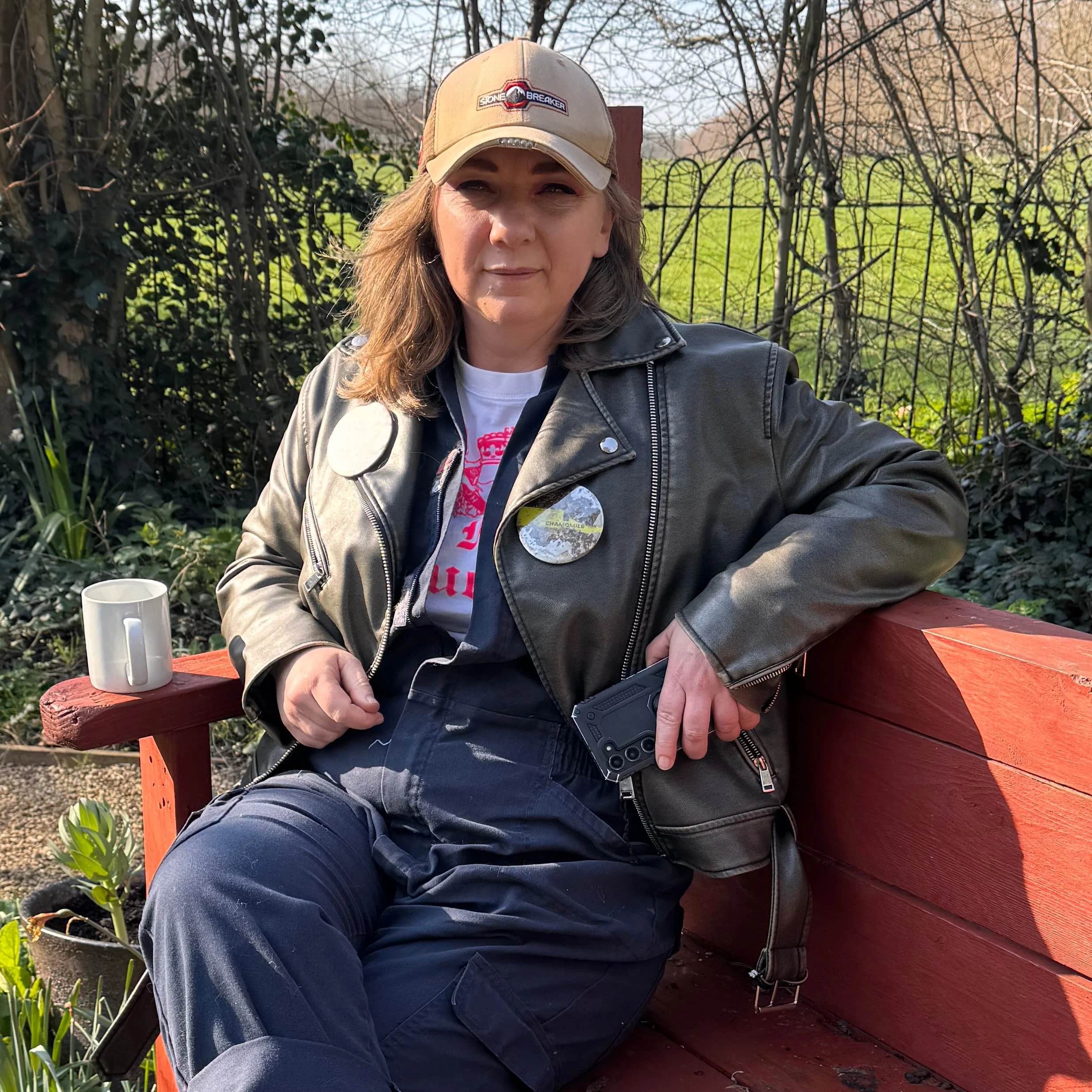
Jess Turtle in the Museum of Homelessness
Jess Turtle along with her husband Matt, founded the Museum of Homelessness in 2015. In 2023 it moved into the old park keepers lodge in Finsbury Park in North London.
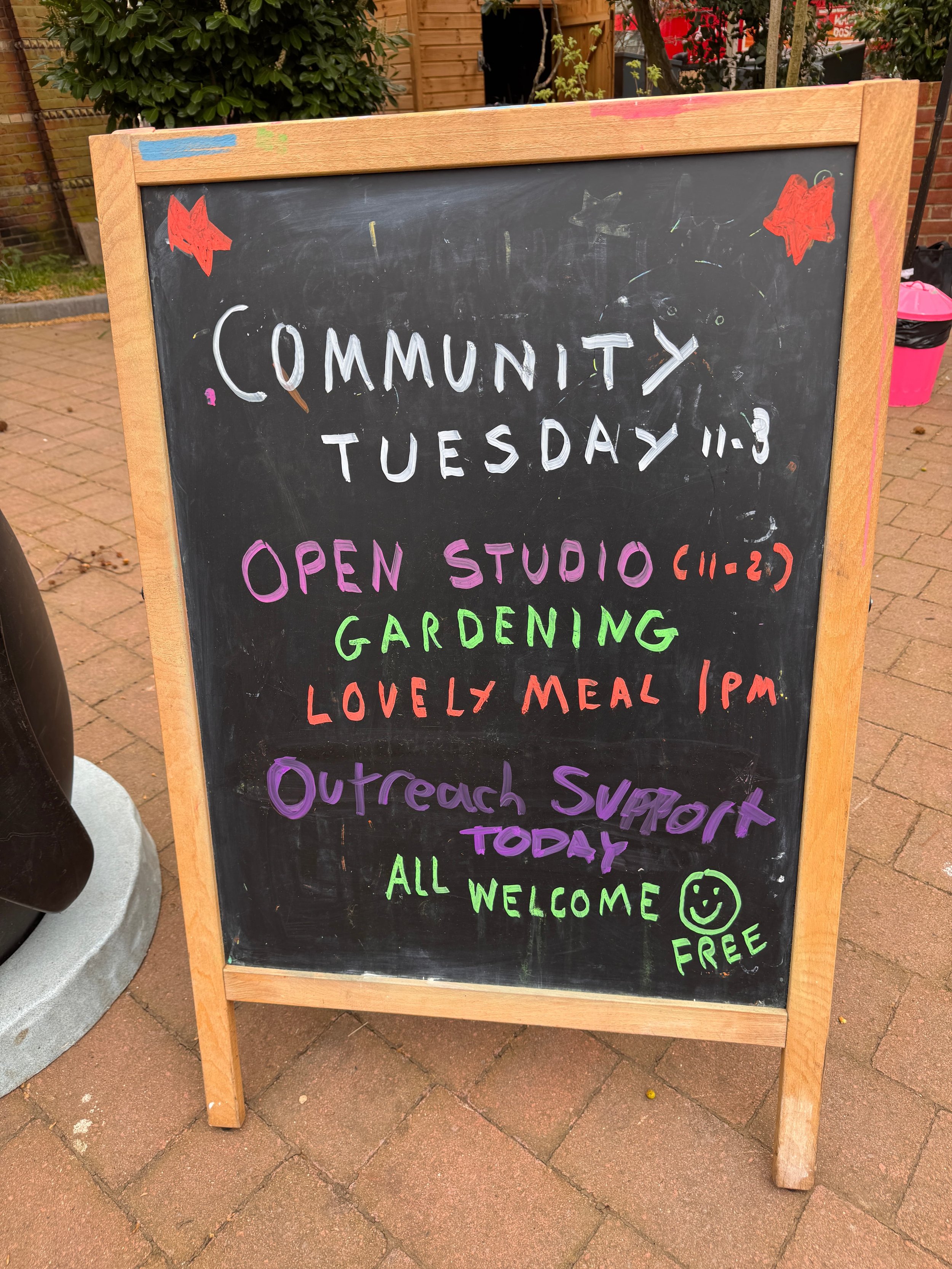
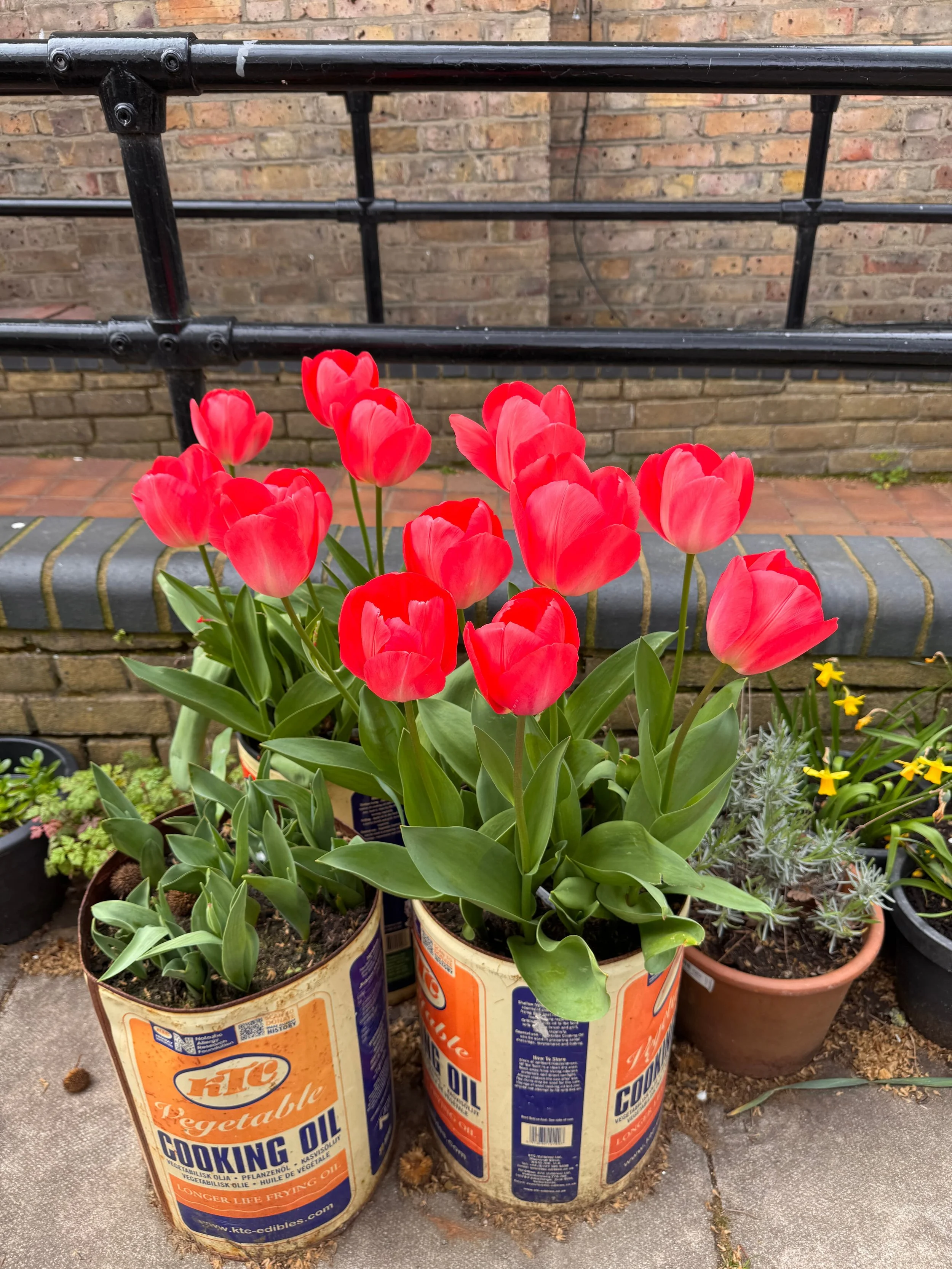
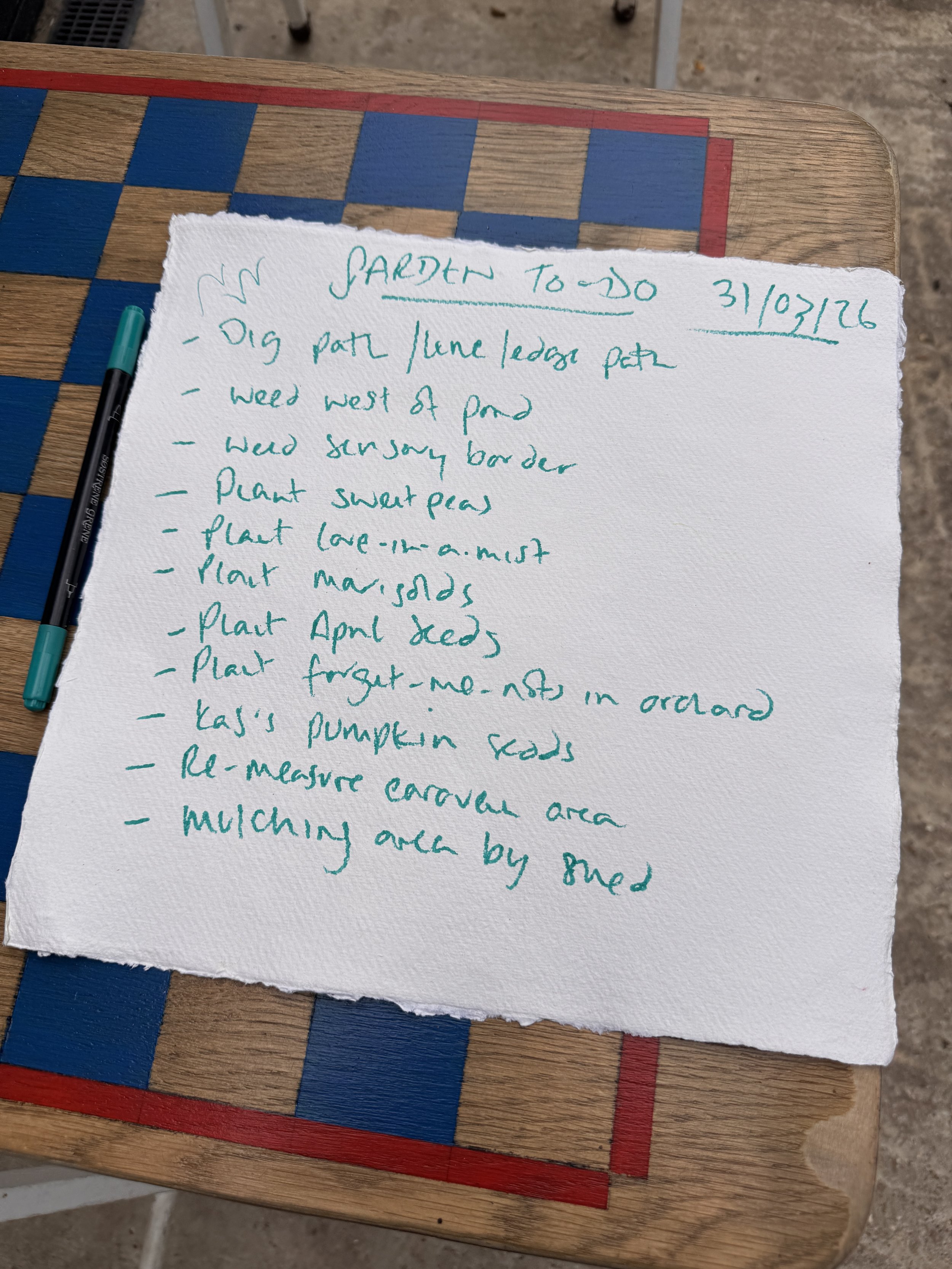
Around the museum is a garden, though it had once been gardened, it had become a wild space filled with brambles and nettles although they could see that it had once been tended by gardeners. Since arriving, Jess and the gardening crew have gradually and gently tended the space, putting in paths and plants and a pond, creating places to sit and spend time.
Buddleja davidii
This episode focuses on one particular plant which Jess calls her spirit plant - Buddleja davidii. Also known as the butterfly plant it’s the one we see everywhere, in the cracks in walls and pavements, alongside railway tracks. When I was growing up we had one in our garden, it flourished up against the side of the garage and every year the purple flowers were covered, smothered even, in butterflies.
When I began to research this plant for the episode, I found plenty of references to how invasive it was and how much it costs to eradicate it. That is until I came across the botanist Trevor Dines and his book, published last year, ‘Urban Plants’. In the index there were plenty of references to Buddleja davidii and it turned out that Trevor like Jess had very early memories of seeing and smelling this plant - scent is an important part of this episode.
Their conversation reveals how this plant came to the UK, 130 years ago. How it ‘hopped over the garden wall’ and why it flourishes in places that other plants won’t go. We learn the significance of Jess’s early memories of seeing it growing in Cardiff docks and learn how climate changing is impacting buddleja.
And this is a conversation that helps us to understand that the communities of plants and people have more in common than we might have imagined.
In the episode, Jess mentions the new exhibition at the museum: Criminal - A historical exhibition exploring 400 years of criminalisation of homelessness. It runs for 10 weeks from the 21st May - 24th July. You can find out more here.
Remember if you want to get every new episode of Our Plant Stories in your inbox on the day I publish it - you can signup to the newsletter here.
How to Grow
I think from this conversation we’ll learn that Buddleja davidii is really not that hard to grow. But within this genus there are over 140 different species of buddleja. I think some of these may well find their way into the Museum of Homelessness garden!
You may want to check out the Plant Heritage National Collection of Buddleja at Longstock Gardens - a place that Trevor visited as a child with his mum, which may also be where his love of this plant stems from. Below are Trevor’s suggestions for those who want to try one of the other species of buddleja.
The fountain buddleja - clusters of flowers all the way along the stem - lilac blue
Completely different you wouldn’t think it was a buddleja - the orange ball tree - looks like its covered in small oranges - easy to grow
Pale felty woolly leaves with pale small lavender pink flowers
Great big clusters of dark red or pink flowers at the end of the stem
Curved, tubular, violet flowers 2cm long, borne at the ends of the branches
From mexico white leaved species and big clusters of white honey scented flowers
b speciosissima
Humming bird pollinated 3-4 inch bright red orange flowers and this is the one that Trevor is looking for so if you know of its whereabouts he would love to hear from you. Contact me sally@ourplantstories.com and I’ll put you in touch with each other.