
Clematis - Searching for Miriam
This first episode of the new series of Our Plant Stories begins in St Margaret’s churchyard in West Hoathly, Sussex. We’re standing beside the grave of Ernest and Miriam Markham, as Sam Fry tells us the story of his search for Clematis ‘Miriam Markham’. On the way we’ll learn about the history of clematis and hear from one of the most experienced growers, Raymond Evison, who has 35 Chelsea gold medals to his name.
On the left is Ernest and Miriam’s grave. On the right is a botanical illustration of Clematis ‘Miriam Markham’ by Marjorie Blamey, found in the first edition of Christopher Lloyd’s book: Clematis. (image copyrighted to the estate of Marjorie Blamey)
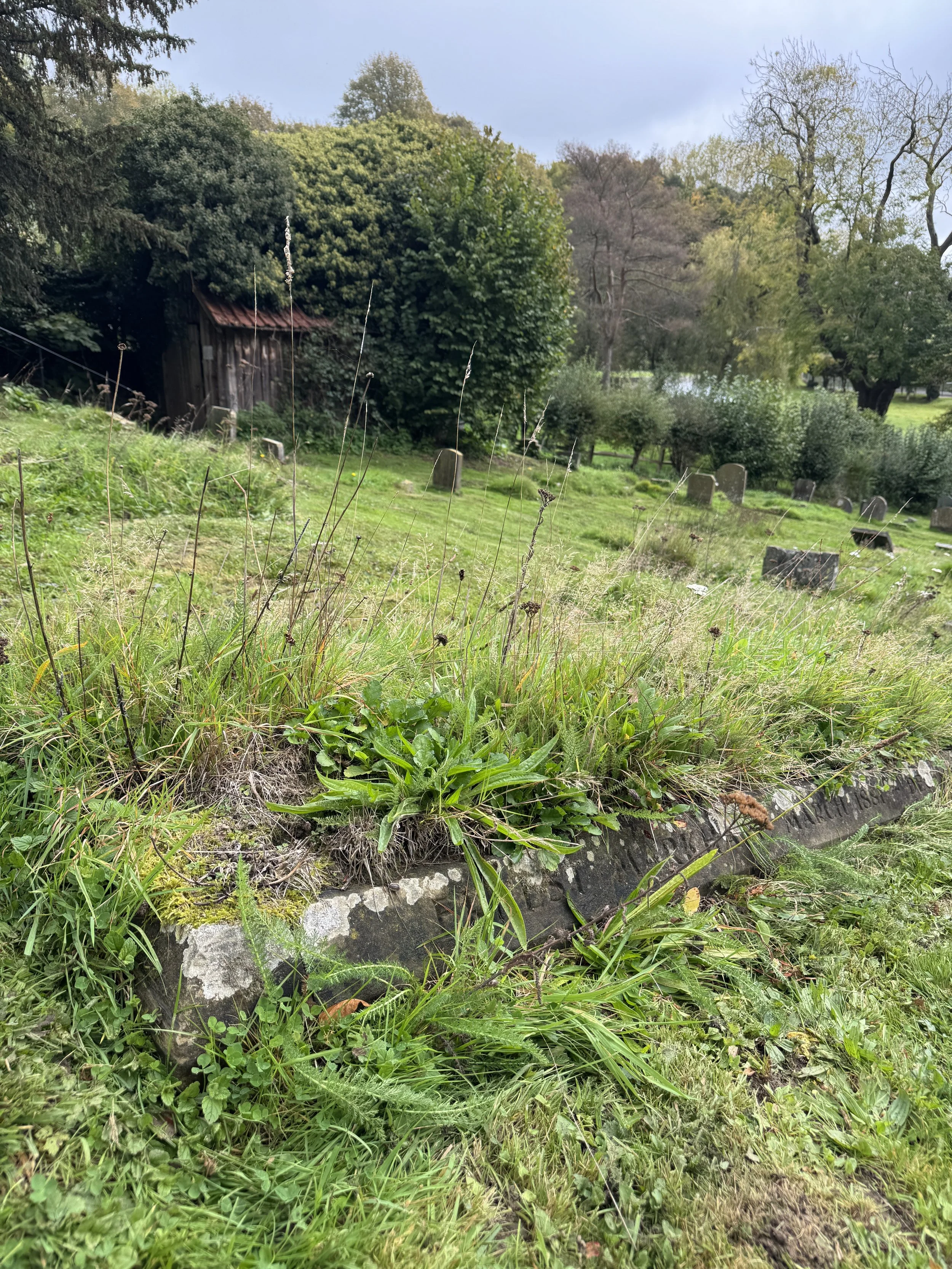
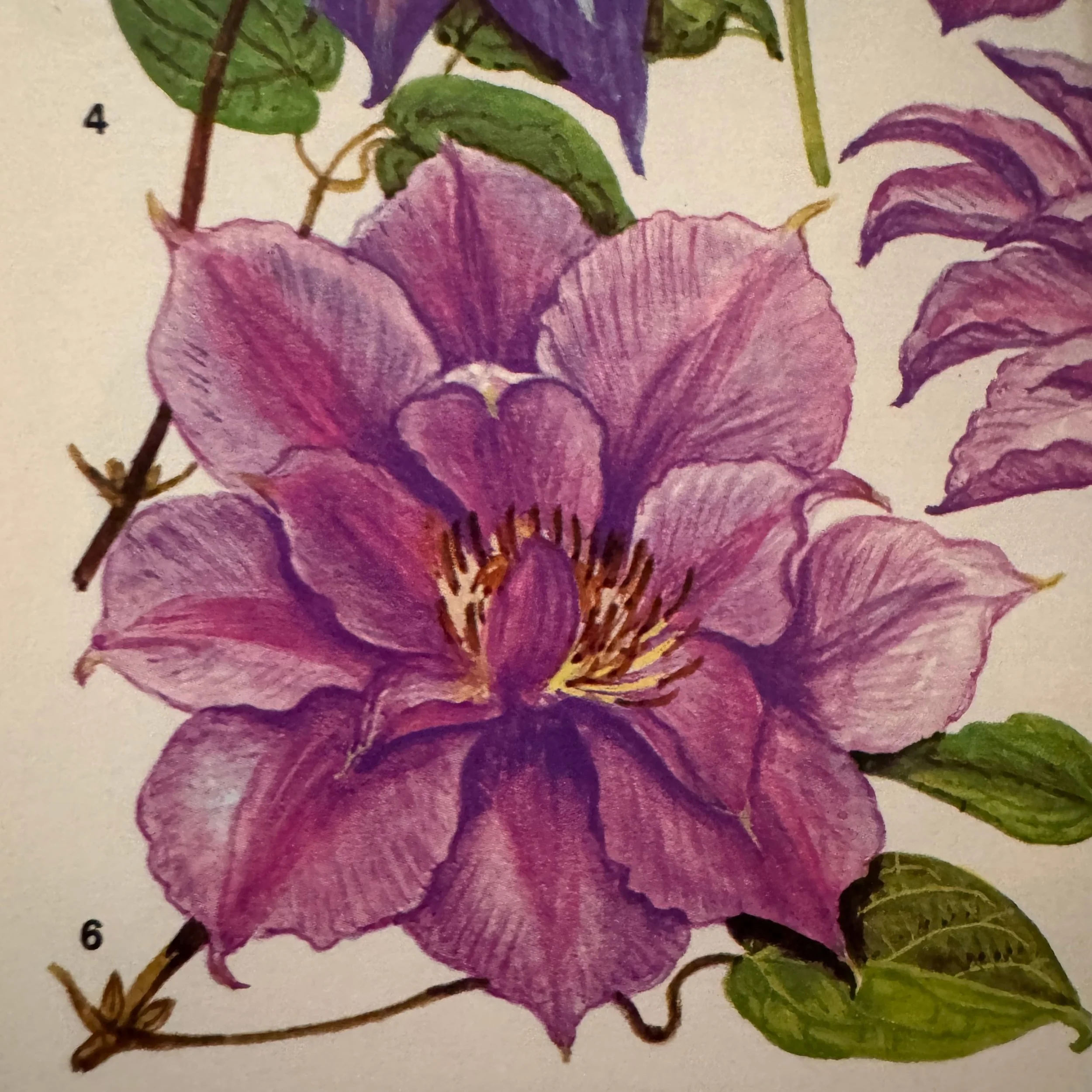
This is the extraordinary story of how two men, William Robinson of Gravetye Manor and his head gardener, Ernest Markham, brought clematis back to our gardens after they fell out of favour, in the late 19th and early 20th century, due to clematis wilt. Clematis wilt affects the large flowered hybrids.
Sam Fry is a gardener at Gravetye Manor who has been studying clematis and researching their history on the estate. He has been painstakingly piecing together the story, which is not easy when so little is written of Ernest Markham,
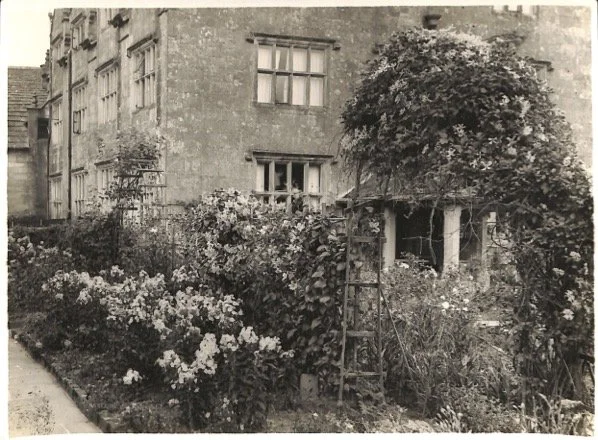
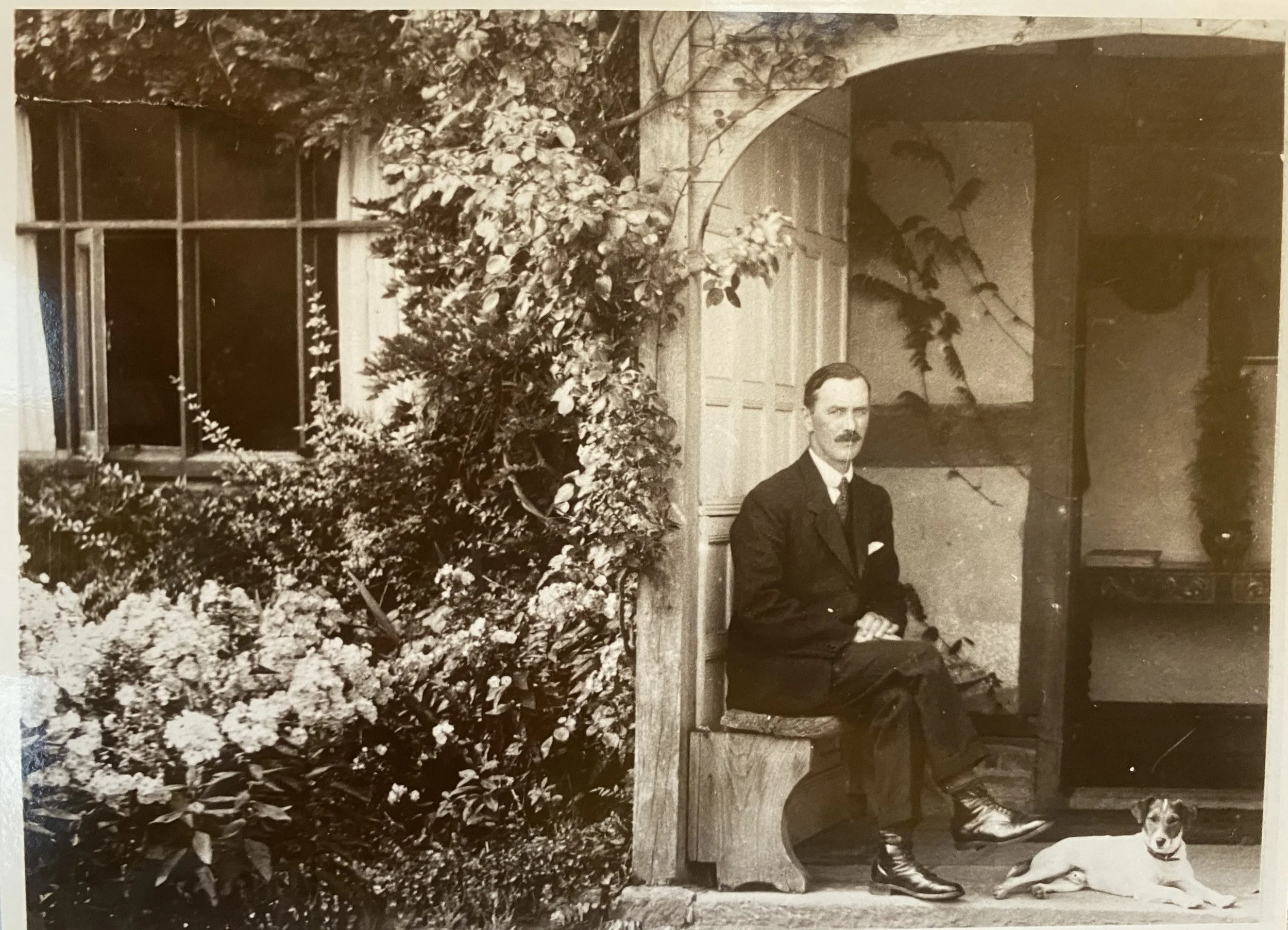
William Robinson had a passion for clematis and the garden at Gravetye was full of them. On the left is an image of Gravetye Manor, on the right Ernest Markham sitting in the porch of his home on the estate.
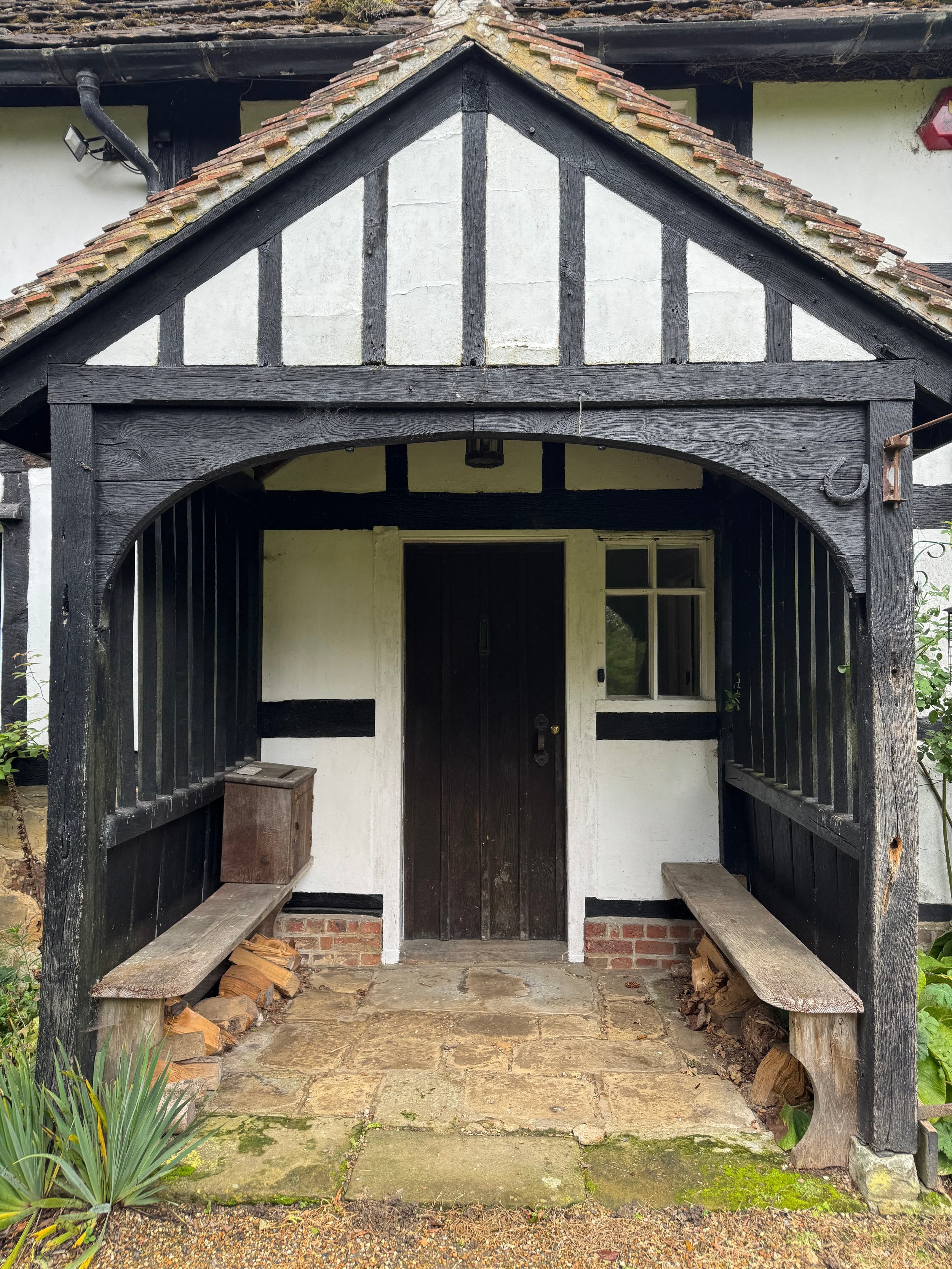
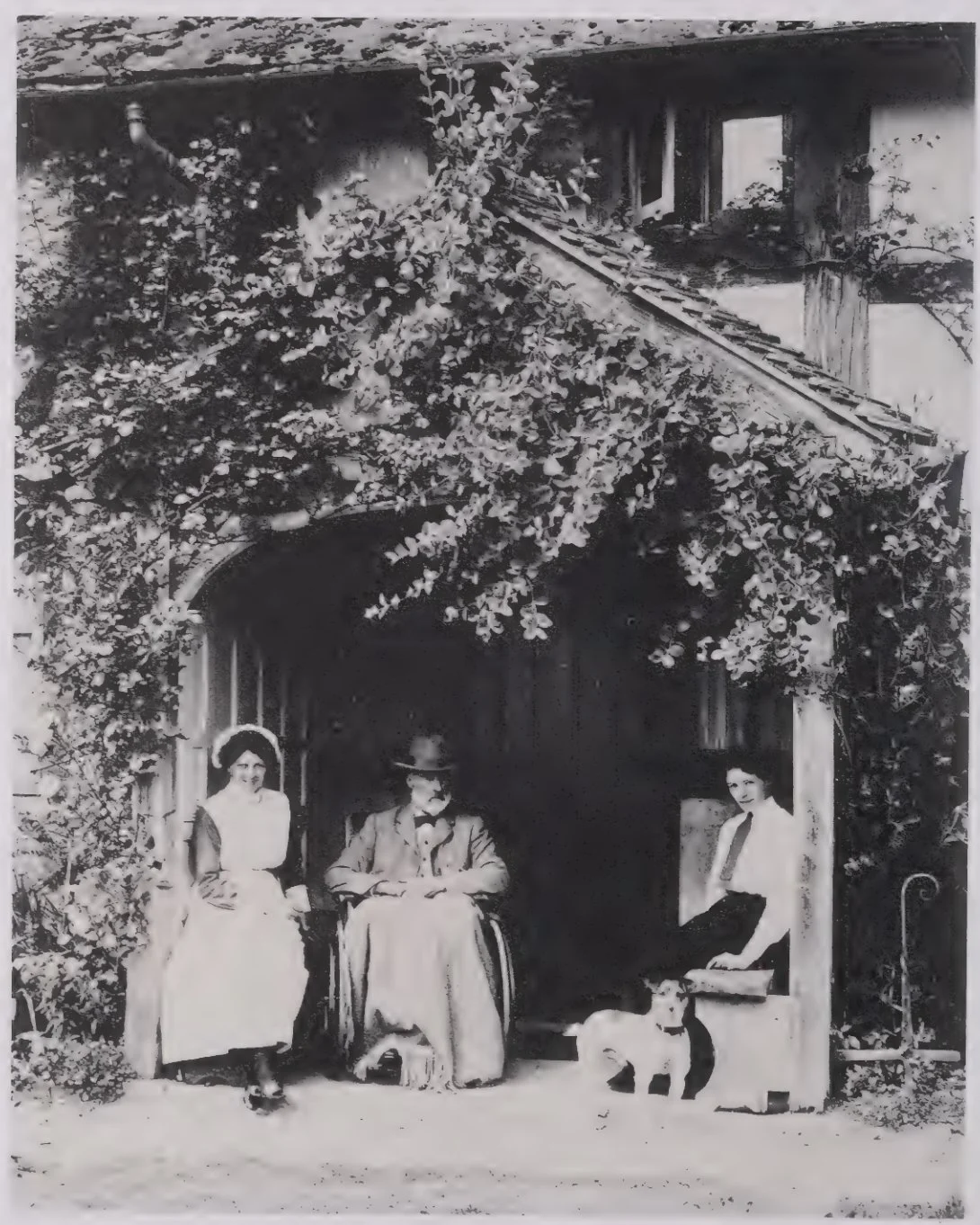
Above on the left is the porch of the Markham’s house today, on the right a picture of the same porch with Miriam Markham on the right, and William Robinson with his nurse Mary Gilpin.
To discover more about the story I bought Sam together with Raymond Evison, owner of a clematis nursery in Guernsey. (photo credit: John de Garis)
We all met up in Cambridge to talk about the story of clematis - did Raymond know where Sam might find Clematis ‘Miriam Markham’? You’ll need to listen to the episode to find out!


Raymond Evison: How to grow clematis
Go to a good quality garden centre, buy a good quality plant. Don't buy something cheap and cheerful because that really doesn't work in the long term.
Clematis love a microclimate. They love to grow through other plants. Certainly clematis love a shady root system. I say to people it's a criminal offence if they plant a clematis on a south face facing wall and put a bit of trellis behind it and expect it to grow. You can't do that sort of thing, it really is a criminal offense.
It’s really important to prepare the site before planting. Dig a hole about 18 inches deep, 45 cm depth and 45 cm diameter. In the bottom of the hole if you've got some well rotted farmyard manure or very, very well rotted garden compost, put that in the bottom of the hole, while you're preparing and doing that digging and preparing the soil. Then put the clematis in its pot, in a bucket of water for 20 minutes. Make sure that the clematis has soaked up the water because when you plant the clematis, if you haven't done that and the clematis is dry in its pot, the water will just run off the sides and that plant will take a long time to establish.
Then when you plant a clematis, I always suggest that you plant it 2 and a half inches deeper, 5, 6 centimetres deeper than the surface, then it will build up a root crown and remember my terminology, the clematis are really a climbing perennial. So you build up that root crown and then if the clematis does get damaged by in cultivation or chewed off by a mouse or a rabbit or something like that, then it's got a 99% chance of regrowing.
Really think about where you're going to plant that clematis and think about its maintenance and what it's going to do. So do your research or really look at the plant label in the garden centres.
Another tip is if you want to plant a clematis in a sunny location, then try to choose the deep colours. The whites are perfect, the deep blues, the deep purples or the deep reds because they will retain their colour in the strong sunshine. If you're wanting to plant some of the pale colours, some of the striped pale coloured ones, the pale lilacs or the pale pink ones, then plant those in a semi shady location where the sun won't bleach out the colour.
Further Reading
William Robinson, is known for his ‘wild’ and ‘natural’ gardening methods, in contrast to the ‘carpet’ bedding’ so popular with the Victorians. He wrote one of the most influential gardening books of all time: The English Flower Garden - 1883. You can read about the man and his books here:
William Robinson Gravetye Charity
There’s lots more about William Robinson, including several biographies - just search him online.
Support this podcast!
If you have enjoyed this podcast you can support it though Buy Me A Coffee. A regular or one off donation goes towards the costs of making Our Plant Stories - editing programmes, hosting platforms - and every coffee brings me joy - knowing you enjoy it.